
Mount Shavano near Salida could use a little TLC.
Over the years a network of social trails on that southern 14er grew bigger and broader, decimating the sensitive alpine tundra. Despite several years of trail work grasses and other alpine plants just aren’t growing back.
This summer the Colorado Fourteeners Initiative is partnering with a Denver professor, Catherine Kleier, the associate vice president for faculty affairs at Metropolitan State University of Denver, for a long-term research project on tundra rehab.
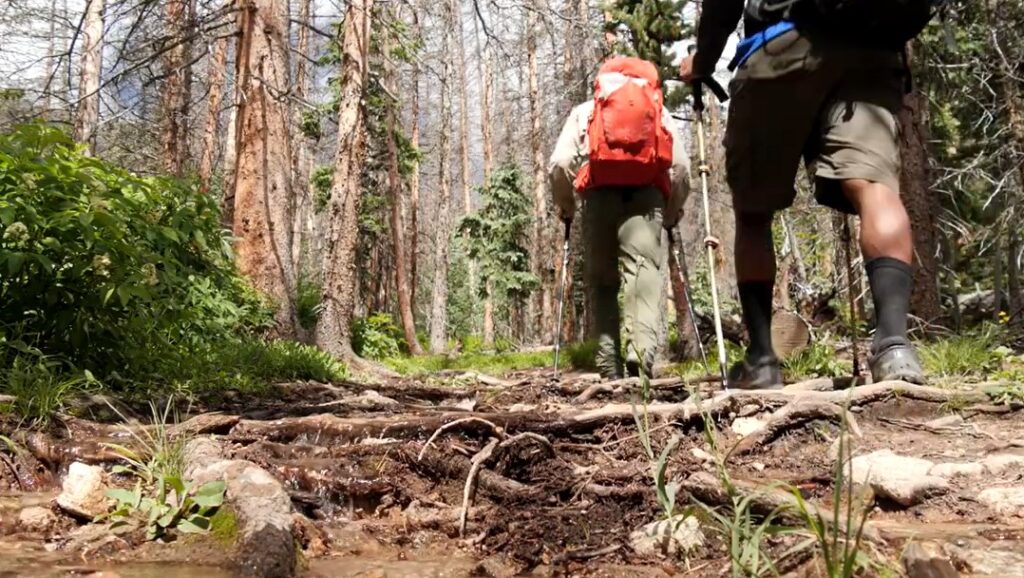
Kleier and her students will set up a research station on Shavano to understand what works – and what doesn’t – in the harsh, high alpine of a Colorado 14er.
“The goal would be to learn—over an extended period of time—which restoration techniques work best in these challenging environments to help guide future trail restoration efforts,” CFI field programs manager Tom Cronin says in a newsletter.
Kleier is a veteran professor of ecology, biology and environmental science. Shavano and other 14ers, like Quandary Peak in Breckenridge, saw a surge of use and abuse in recent years. The summer of 2020 was the busiest in history with close to double the typical traffic on 14ers. Just one season of bushwhacking off standard routes can decimate the tundra for years, even decades.
Along with the research project, trail crews return to Shavano for a fourth and, hopefully, final season of trail work this summer.
“Work improving this trail could not occur previously despite its high priority because it crossed three private mining claims, including one parcel that contains the mountain’s summit,” the CFI says. “Although we had estimated the project would take six years, crews made enough progress in 2025 to wrap things up by the end of the 2026 field season.”
Work this summer includes 600 feet of trail construction to the summit, plus more restoration on the lower social trails.
Preview images via Colorado Fourteeners Initiative.