
Expensive and thirsty wildfire-suppression systems on new builds in Breckenridge are raising alarms.
These outdoor sprinklers are becoming more popular in the High Country, especially for luxury homes and large commercial properties. They are sold as safeguards against wildfire, but a recent memo from the town water utility suggests they could do more harm than good by sucking dry water for entire neighborhoods – and giving homeowners a false sense of security.
“Municipal water distribution systems are designed to meet daily community needs, such as domestic drinking water, sanitation and conventional structure fires, not to combat wildland fires,” the memo reads. “Installation and use of exterior fire suppression systems create the risk of overwhelming the municipal water system’s capacity, thereby hindering effective firefighter response community-wide.”
Utility officials at last night’s council meeting recommended a six-month moratorium on new wildfire sprinkler systems until they can be reviewed by town staff. Most systems, they say, are unregulated and untested by national agencies, like UL, which certify indoor fire sprinklers.
Another concern is cost. Wildfire sprinklers can be incredibly expensive with little evidence they work. A single mobile sprinkler, from manufacturer FireBozz, costs upwards of $4600. It looks like an oversized lawn sprinkler. Other, more expensive systems are installed directly on the roof of a home, according to Breck staff.
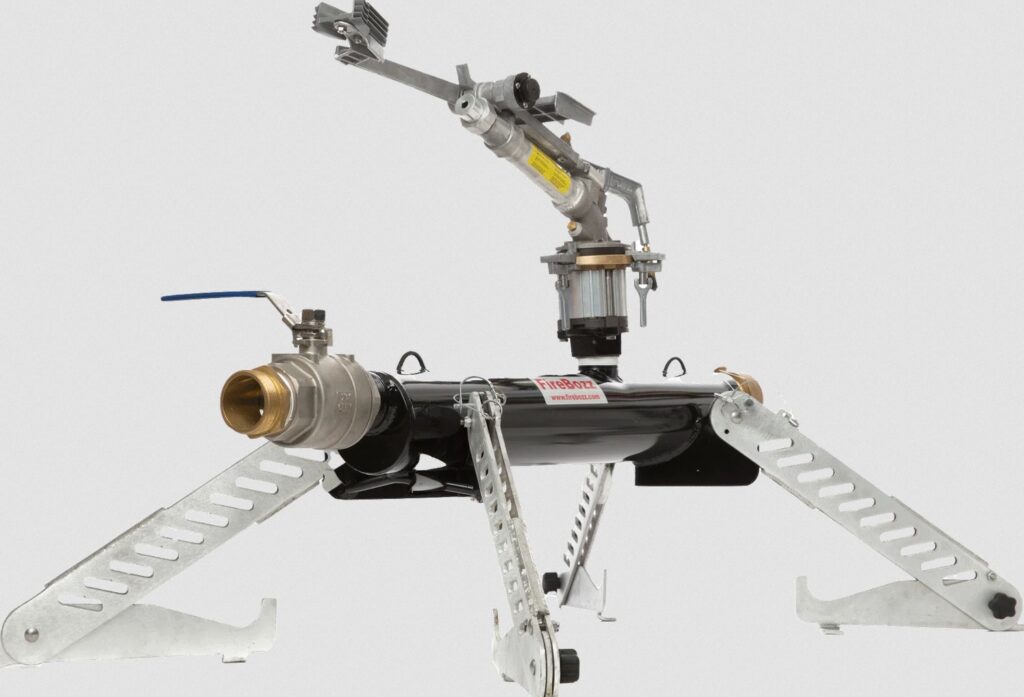
“Without regulations, if these exterior fire suppression systems were allowed to either directly or indirectly connect to the water utility, there could be significant impact(s) to the utility and its ability to provide service,” the memo continues. “Major impacts could be: reduced or zero water pressure for certain pressure zones of the water system.”
Local fire chiefs agree. Drew Hoehn and Jay T. Nelson, with Red White and Blue Fire, penned a three-page letter to council, saying wildfire sprinklers fall outside of the town’s existing fire codes. They believe “home-hardening,” like building with fire-resistant materials and trimming dead brush for defensible space, is money better spent.
“We believe public policy should continue to prioritize those strategies that have been scientifically validated and demonstrated to improve structure survivability,” the letter reads, “while protecting the reliability of community water systems and preserving the resources necessary for emergency response.”
Town council unanimously passed the moratorium. Council rarely disagrees with staff on recommendations like this.
Preview image via Red White and Blue Fire on FB.