
Take it from the folks at Denver Water, the owner of Dillon Reservoir: Nothing short of record-breaking snowfall this spring will save the High Country from a record-breaking dry spell. The photo is from today heading into Breckenridge on Highway 9.
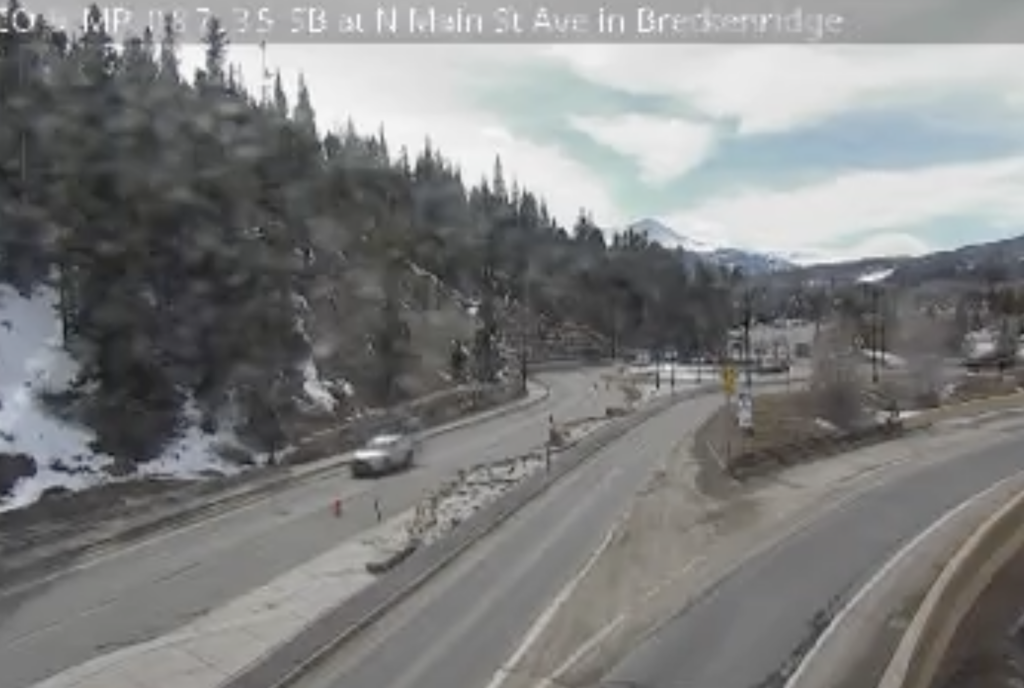
Denver Water also says the odds of that happening are “unlikely.” That’s an understatement. Snowpack is four to five feet lower than usual. Reservoirs are 6% lower than they should be right now. And, until the final week of February, it was looking like most Summit County ski areas wouldn’t hit 100 inches total on the season until March.
All that changed during a late-February snowstorm, when every ski hill broke the century mark. It happened two months later than last year, but at least it happened.
February snow totals (season totals)
- Vail… 36 inches (125 inches)
- Beaver Creek… 33” (106”)
- Loveland Ski Area… 31” (123”)
- Copper… 31” (117”)
- Breckenridge… 25” (105”)
- Keystone… 18” (106”)
- Arapahoe Basin… unavailable at press time (A-Basin entered February with 88 inches. We know they got at least a foot.)
Vail Mountain was again the snowfall winner in February with 36 inches of snow for 125 inches on the season. Vail has reported the most locally snow every month since December, but none of them are impressive. Last year at this time Vail was sitting on 246 inches en route to 324 inches by closing day in late April.
The biggest surprise is Breckenridge, where total snowfall is less than Keystone. There hasn’t been more than 3 feet of snow in one month all season at Breck. Last season, it snowed at least 3 feet every month except one – that was April – with two months snowing 6 feet or more.
Long-term forecast doesn’t bode well for a record-breaking return to average. Then again, stranger things have happened, like the foot of snow that fell on New York City, where cops were pelted with snowballs, or the recent snowstorm at Lake Tahoe you could see from space