
July 31, 2026 marked 50 years since the Big Thompson Canyon Flood, Colorado’s deadliest natural disaster.
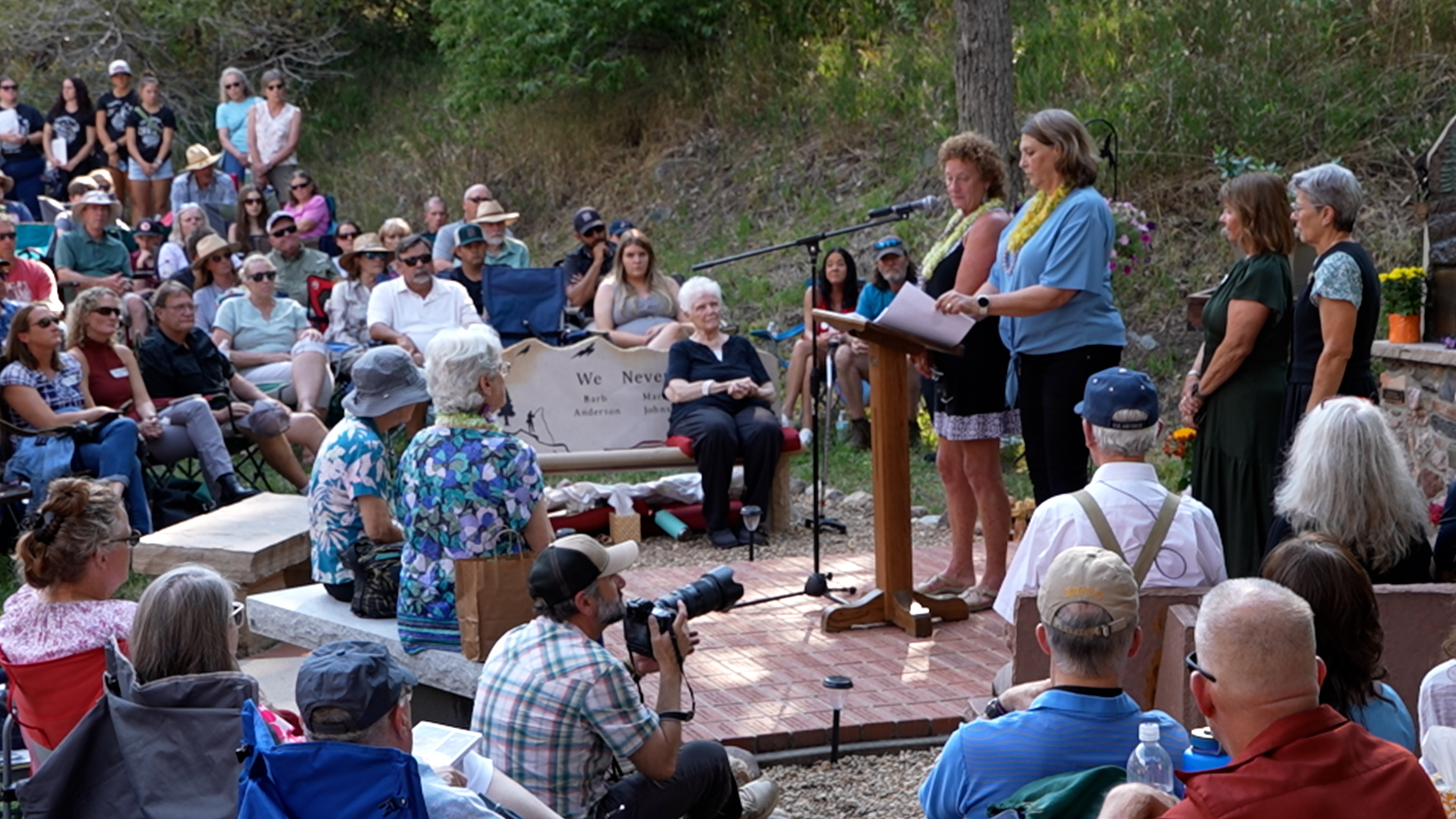
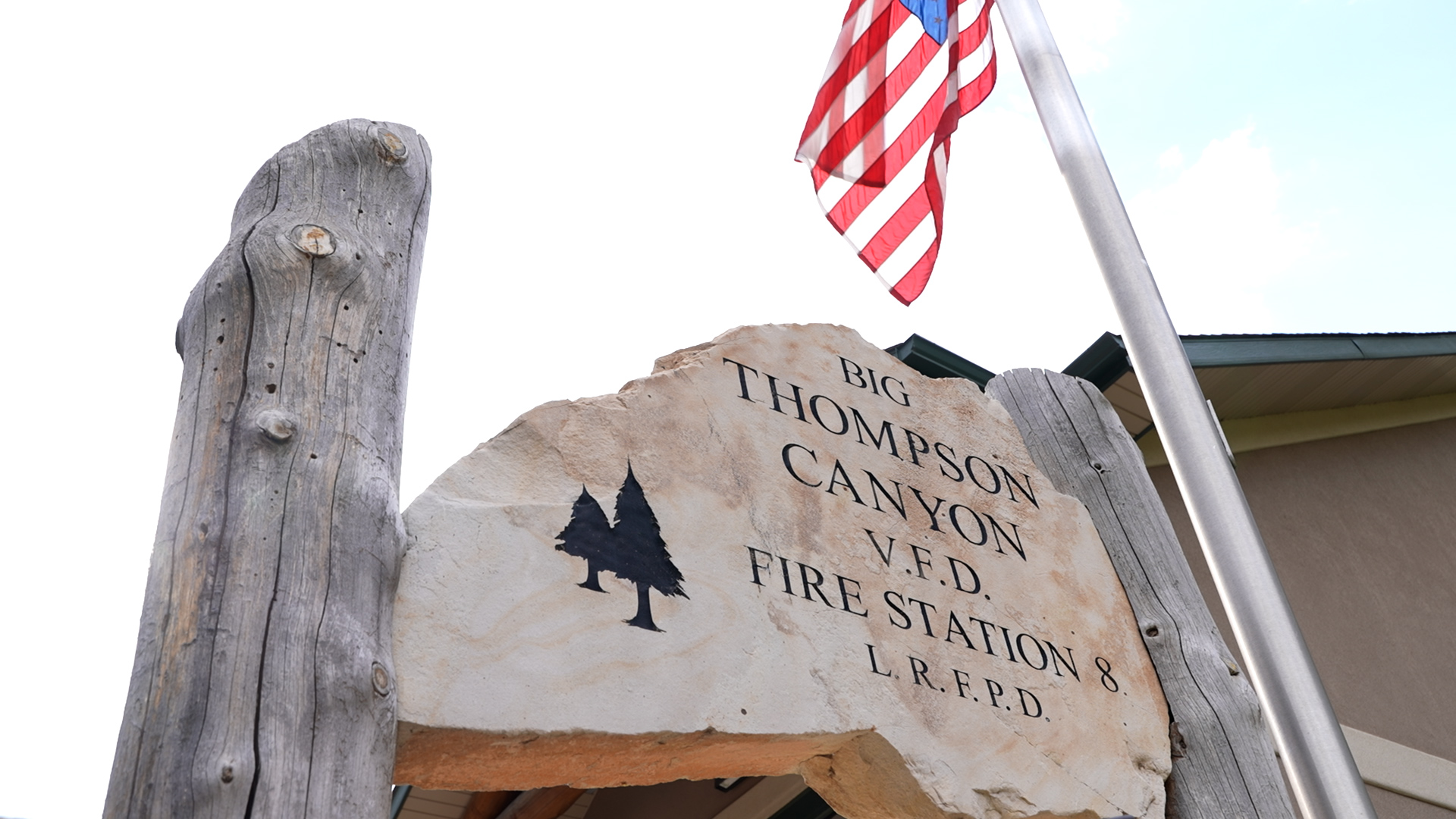
The community gathered Friday afternoon at the Drake Firehouse in the canyon to remember the flood that claimed the lives of 144 people and left at least five missing.
And among crowd were those who survived the devastating flood waters that night.
“I think over the years we’ve realized how very lucky we were,” said Connie Granath Hays, who was 18 years old at the time.
Granath Hays and Terry Belair were on their way home from Estes Park as the rain refused to let up that night.
“It was a downpour, the time we entered the canyon until the next early morning,” said Belair.
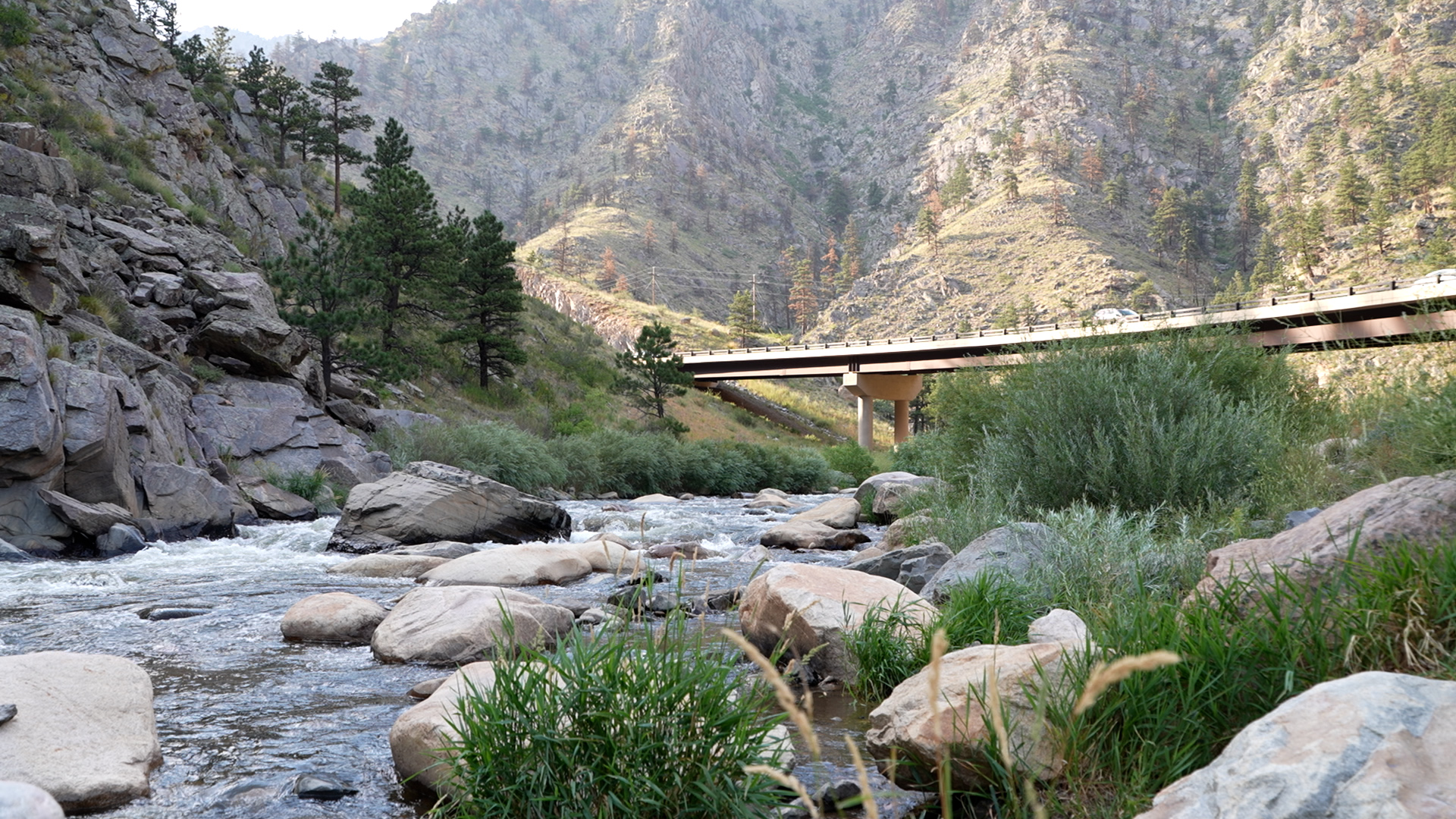
A rainstorm stalled over the Big Thompson Canyon west of Loveland in Larimer County, dropping upwards of a foot of rain in a matter of hours.
Footage from Denver7’s helicopter captured the giant wave of water.
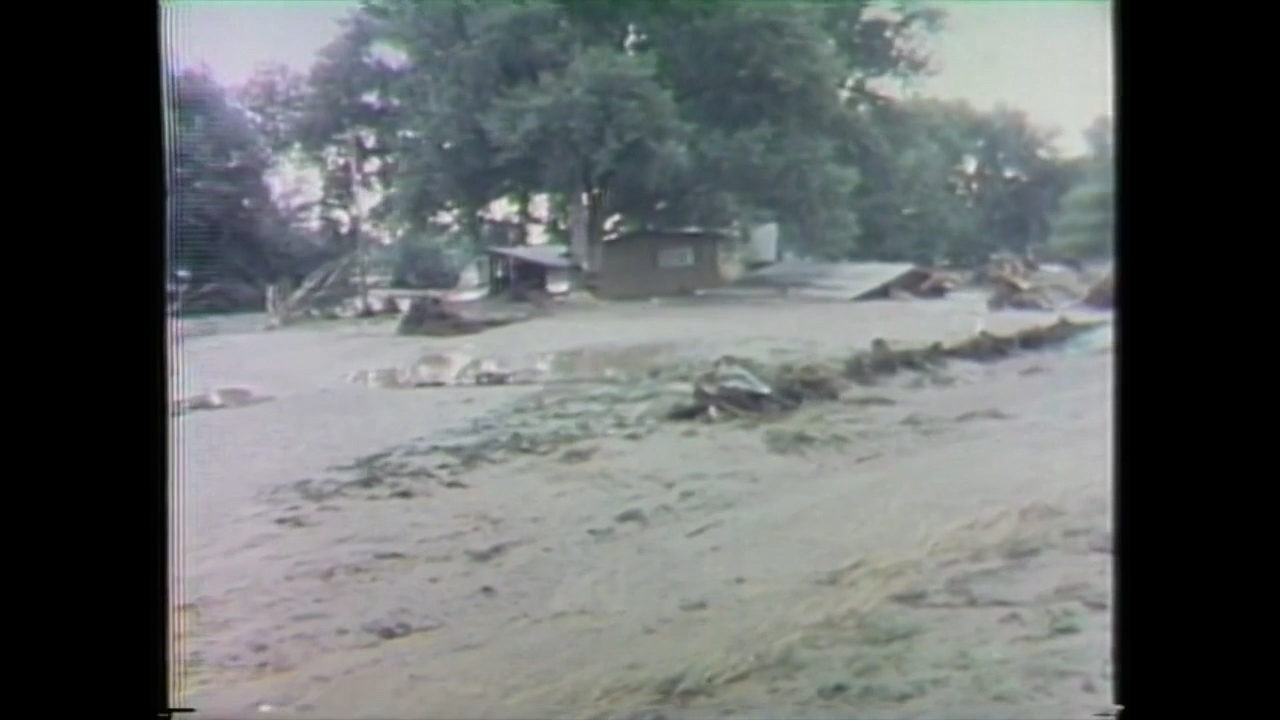
It was as if portions of Highway 34 never existed, completely wiped away.
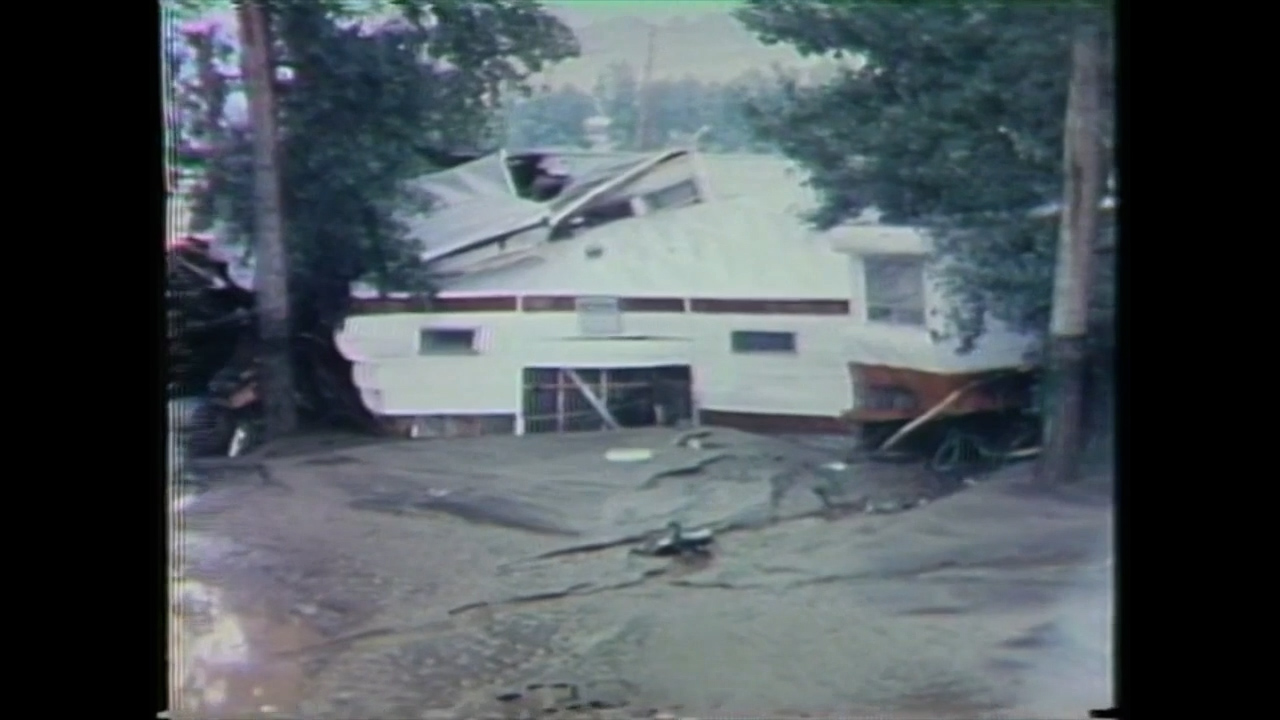
There was little warning of what was about to happen on the evening of July 31, 1976. Most people who did receive an alert only had a few minutes to react as a catastrophic wall of water rushed down the Big Thompson River claiming the lives of 144 people quickly becoming the deadliest flash floods in Colorados history.
It was reported an estimated 300 people were still trapped in their vehicles hours after the flooding began along a four-mile stretch of the highway.
Faced with rising floodwaters, Granath Hays and Belair made a split-second decision that saved their lives they ditched their car and climbed the rocky terrain.
“We stopped at one ledge and that’s where we saw Connie’s car floating away and decided it wasn’t quite high enough,” Belair said.
Clinging to a mountainside ledge through the night, they waited for rescue helicopters that didn’t arrive until daybreak.
Granath Hays and Belair were taken to Loveland High School, where they were reunited with their families.
Now, half a century later, much has changed including significant improvements to weather alert systems.
“In 50 years, we would be so much more prepared,” Granath Hays said.
While a severe thunderstorm warning was issued by the Weather Service Forecast Office (WSFO) in Denver that night, limited on-the-ground reports from spotters and official rain gauge sources caused a delay in issuing a flood warning. It wasn’t until 11 p.m. that the WSFO in Denver issued a flash flood warning, but by then the “Big Thompson had already crested at the mouth of the Canyon,” a NOAA aftermath report revealed.
But one thing will never change for two friends bonded by survival and strengthened by remembrance.
“Each year as friends, it’s a bond for us forever,” Granath Hays said.
This story was reported on-air by a journalist and has been converted to this platform with the assistance of AI. Our editorial team verifies all reporting on all platforms for fairness and accuracy.